
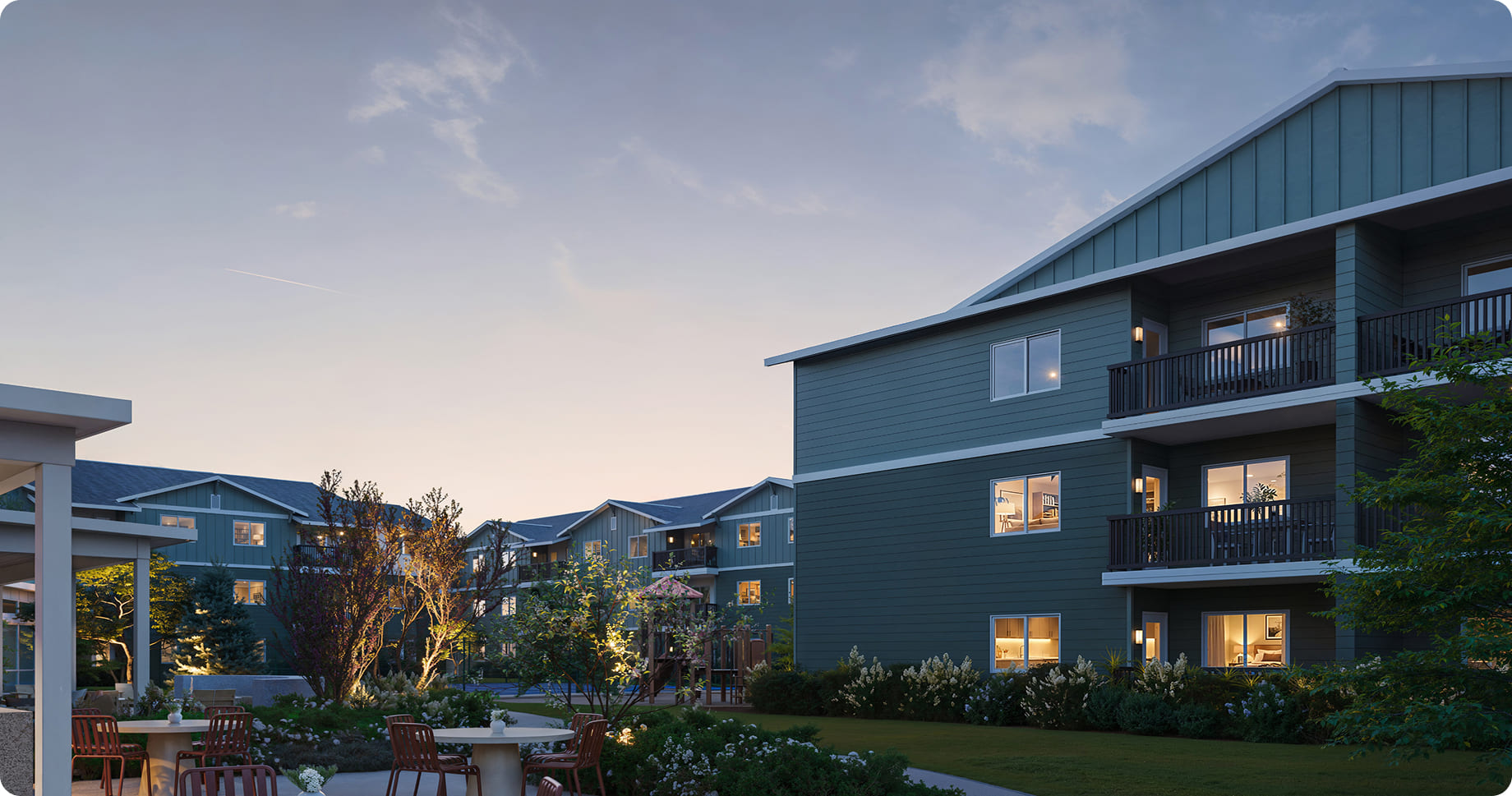
September 17, 2026

The Multifamily Visual Content Audit: What to Upgrade Across Your Portfolio

A framework for auditing visual content across a multifamily portfolio and deciding what to upgrade first - floor plans, tours, and unit-level media.

One community still uses black-and-white floor plans. Another has professional photography but no virtual tours. A third has a beautifully staged model apartment, and very little content showing the units currently available.

For a marketing team overseeing multiple properties, these differences add up to one practical question: where should the next content investment go.

A visual content audit gives your team a way to answer it. Reviewing what each property has, what prospects can actually see, and which questions remain unanswered turns that guesswork into a plan built around specific leasing needs.

01

Current content

Basic black-and-white floor plans


Ask

Can prospects picture furniture placement and how rooms connect?

Potential upgrade

Furnished 3D floor plans

02

Current content

Professional photography without tours


Ask

Can prospects explore the layout beyond the selected camera angles?

Potential upgrade

Photography-based virtual tours

03

Current content

One model apartment representing multiple layouts


Ask

Which floor plan types have no visual representation?

Potential upgrade

Tours or renders for missing layouts

04

Current content

Limited media for available apartments


Ask

Can prospects see the specific finishes, features, and views of the unit they're considering?

Potential upgrade

Unit-level photos, video, or 360° tours

05

Current content

Older amenity photography


Ask

Does the content reflect the spaces residents use today?

Potential upgrade

Updated photography and amenity tours

06

Current content

Different styles and labels across properties


Ask

Are naming, presentation, and file quality consistent?

Potential upgrade

A shared content standard and coordinated refresh

Start with the content prospects can access

Begin with what a prospect actually sees, not what sits in a folder. Review each community's website, apartment listings, and the materials leasing teams send during follow-up - on a phone as well as a desktop.A folder of finished assets only tells part of the story. The audit should confirm whether those assets are published, accurate, easy to find, and connected to the right apartments.Repeated requests for extra photos, or repeated explanations of a particular layout, are a useful signal. If the leasing team keeps filling the same gap by hand, that gap belongs on the upgrade list. Ask leasing directly where they run into this most often - it's usually faster than reverse-engineering it from the website.

Upgrade floor plans where renters need help visualizing the space

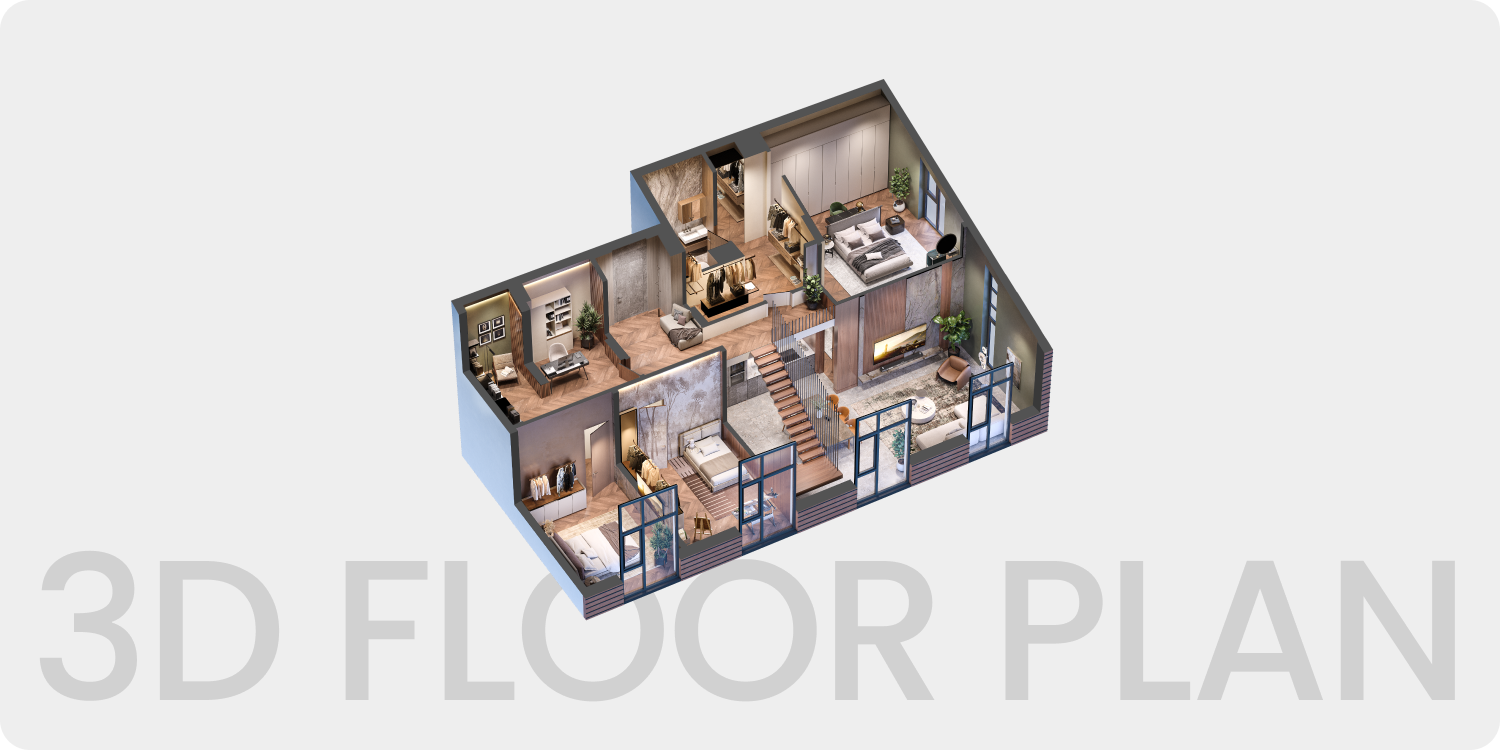
Furnished 3D floor plans are a straightforward place to start, especially when the existing black-and-white drawings are small, hard to read, or inconsistent across the community.

A 3D plan shows furniture placement, room relationships, and interior finishes in a way that helps a prospect imagine living there. A clear 2D version stays useful alongside it, for dimensions and quick layout comparisons. The View offers both formats, along with interactive floor plan options.

Before commissioning an upgrade, check which layouts and variations actually need representation. Similar floor plan names can hide real differences in kitchen configuration, balconies, or room arrangement.

Collect the approved plans, naming conventions, and finish references before production starts. Furniture should be realistically scaled, and the finished presentation should make clear when furnishings or finishes are illustrative.

For a portfolio project, approving one sample first gives everyone a shared reference for furniture style, color, labeling, and branding before the rest of the plans go into production.
Add virtual tours where photography leaves spatial questions unanswered

Strong photography introduces a property well. A virtual tour adds the ability to look around and understand how its spaces connect.

That gap shows up in specific ways: a gallery that shows the kitchen and the living room clearly, but leaves a prospect wondering how the two connect, or where a hallway leads, or how an amenity space is arranged.

Identify where that additional context matters most. Depending on the property, that might be a frequently available floor plan, a newly renovated unit, or a clubhouse that reads better in motion than in stills.

For a photography-based tour plan for 360° capture. Compatible existing images may be reusable; a conventional gallery will usually need an additional capture session. The View's photography tours can cover apartment interiors and amenity spaces.

Coordinate the shoot around access and readiness, and give the production team a specific list of spaces and layouts to cover.
Build coverage of the apartments people can actually lease

A model apartment introduces a community's overall style. Unit-level media helps a prospect evaluate a particular home - and two apartments with the same floor plan can still differ in finishes, views, or outdoor space.

Three types of coverage are worth separating, and worth keeping separate once published:
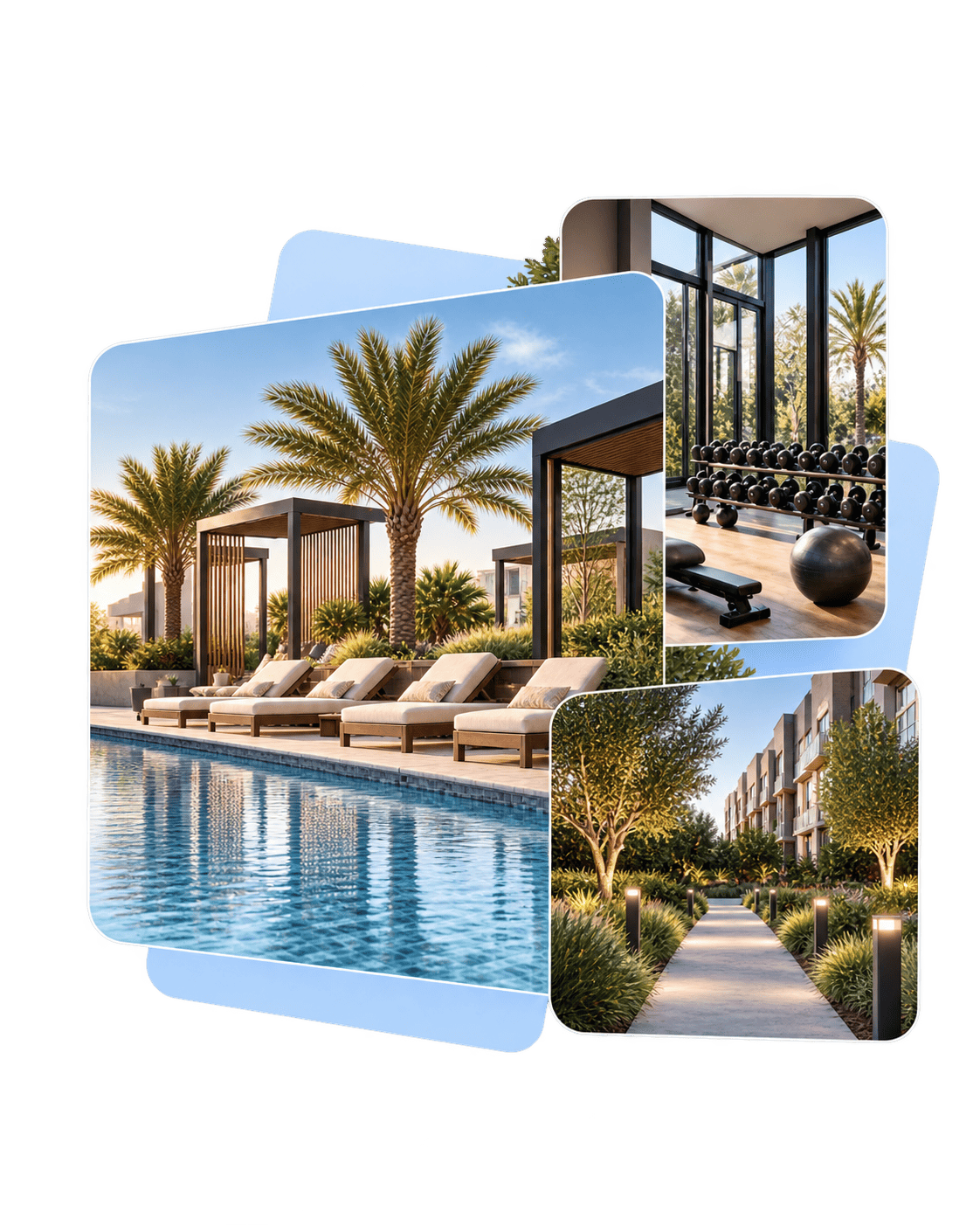
Community amenities collage showing pool, gym, and landscaped walkway

Community content

Shared amenities, exteriors, and common areas that introduce the property as a whole.

01
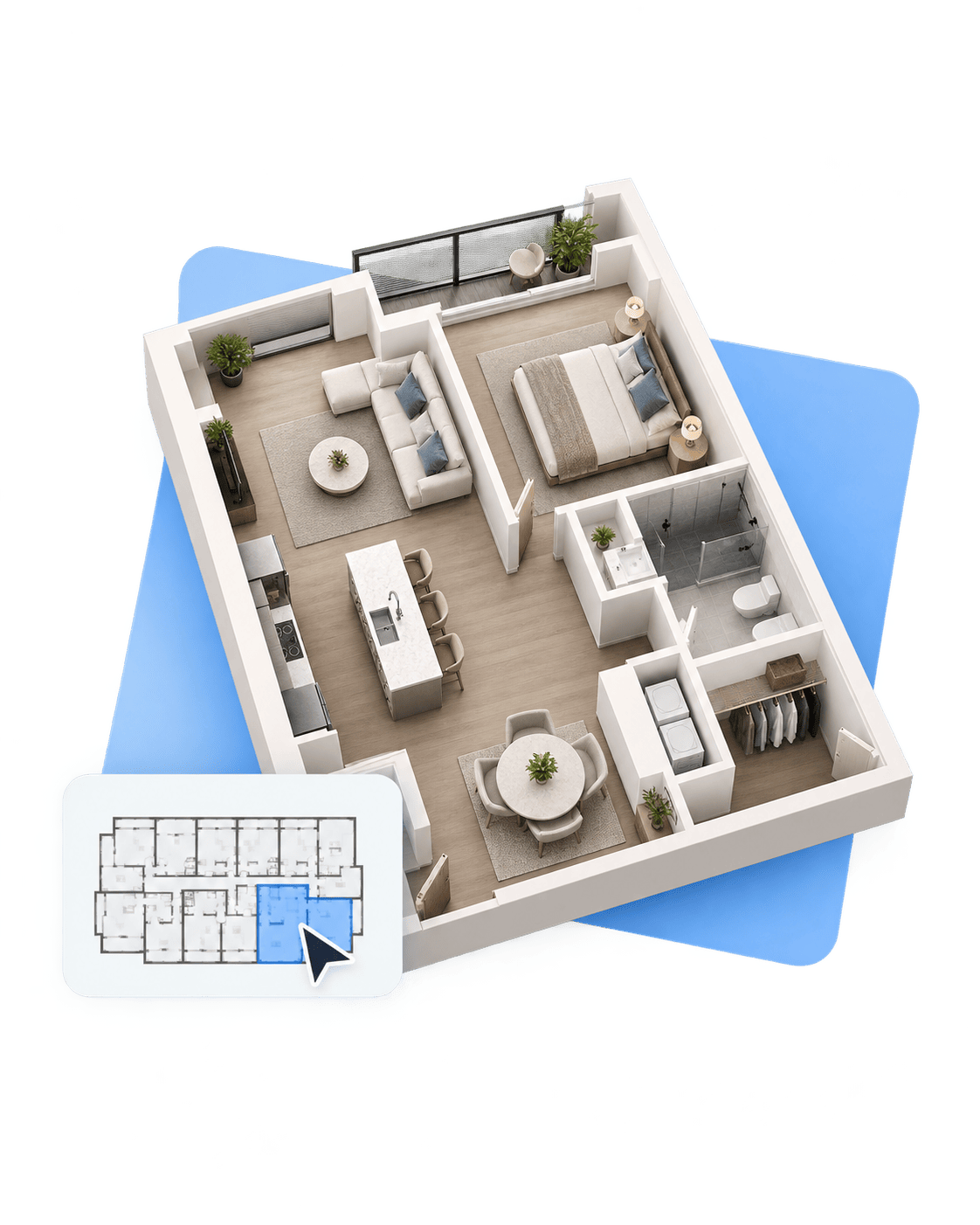
Furnished 3D floor plan rendering with mini-map overlay

Floor plan content

Representative media showing a particular layout, used across every unit of that type.

02
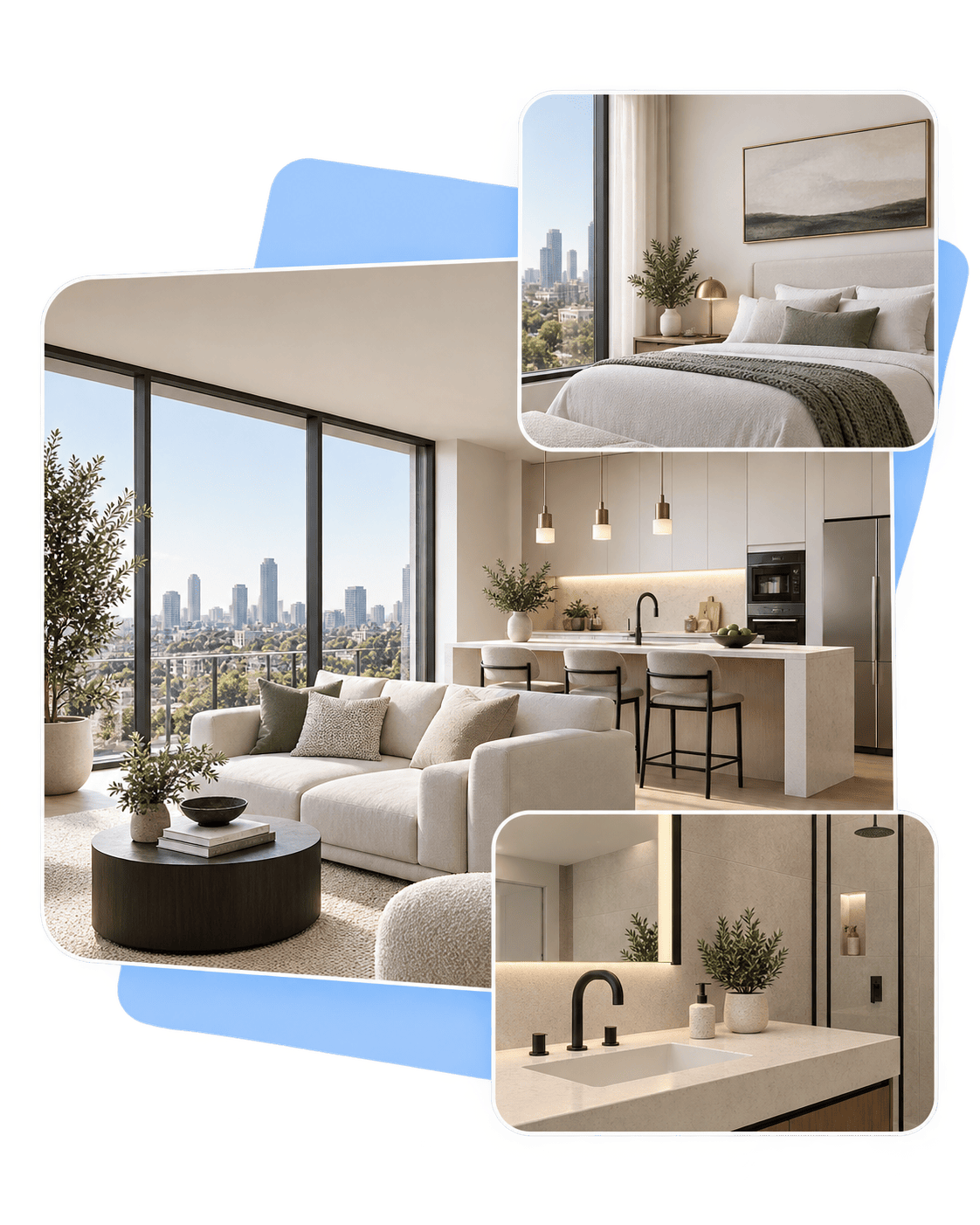
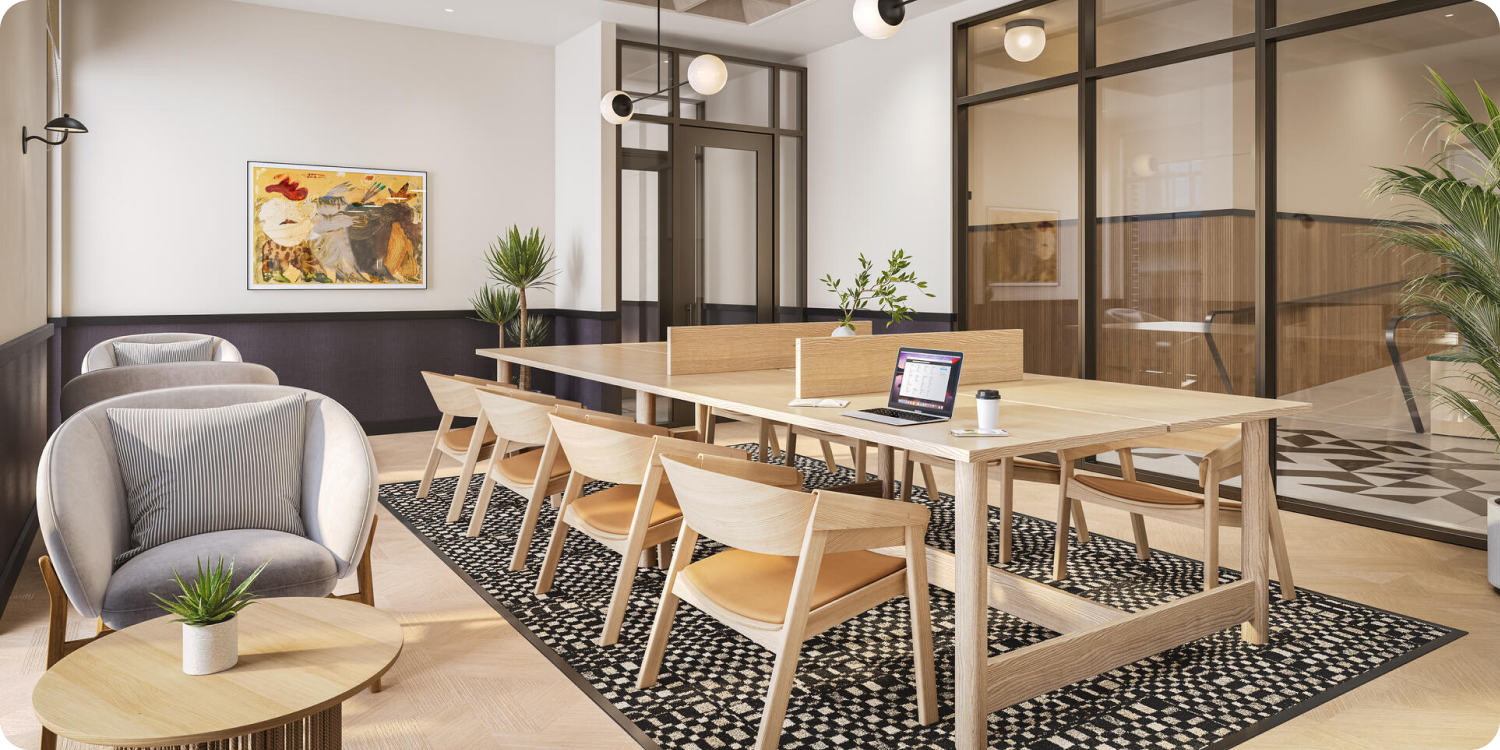
Unit interior collage showing living room, bedroom, kitchen, and bathroom

Unit-level content

Media captured in the specific apartment being offered, showing its actual finishes and views.

03

A representative tour should read as representative. Media captured in a specific apartment should be connected to that unit, not left ambiguous.Building new coverage into the turnover process is the most sustainable way to close this gap over time. Once a unit is ready and before the next resident moves in, there's a window to capture its interior and views. An ongoing staff capture workflow can complement professional production between full shoots - Seenic Snap is built for exactly this kind of smartphone capture between turns.

Prioritize upgrades by the gap they close

Each investment on the list should have a clear purpose: make a layout easier to understand, represent a floor plan with no coverage, show a unit's actual finishes, or replace content that's gone stale.

Three factors are worth weighing for each item:

A property with strong photography and no floor plan coverage may be ready for a 3D floor plan package. One with complete floor plans and no interactive content may be ready for tours. Another with several finish packages may need unit-level capture first.Give each property a defined scope, budget, and target date. Group similar work where it makes sense, and account for the access and content needs of each community individually.

Make publishing and maintenance part of the upgrade

Website updates, listing updates, and leasing team access belong in the project scope from day one, not as an afterthought.

Someone needs to own uploading each asset, connecting it to the right layout or unit, and removing what it replaces. Check that tours open correctly on mobile, and that leasing staff can find and share the right links without asking twice.

Keep a simple record of what was produced, what it represents, when it was approved, and where it's published. Update it after renovations, branding changes, new acquisitions, or a shift in the unit mix - that's what keeps the audit from becoming a one-time exercise.

Planning a visual content upgrade across your portfolio?

The View produces 2D and 3D floor plans, photography-based virtual tours, and unit-level media for multifamily communities — whether the starting point is one property or a full portfolio review. Contact our team to talk through what you have and what comes next.
September 16, 2026

The Multifamily Visual Content Audit: What to Upgrade Across Your Portfolio

A framework for auditing visual content across a multifamily portfolio and deciding what to upgrade first - floor plans, tours, and unit-level media.

One community still uses black-and-white floor plans. Another has professional photography but no virtual tours. A third has a beautifully staged model apartment, and very little content showing the units currently available.

For a marketing team overseeing multiple properties, these differences add up to one practical question: where should the next content investment go.

A visual content audit gives your team a way to answer it. Reviewing what each property has, what prospects can actually see, and which questions remain unanswered turns that guesswork into a plan built around specific leasing needs.

01

Current content

Basic black-and-white floor plans


Ask

Can prospects picture furniture placement and how rooms connect?

Potential upgrade

Furnished 3D floor plans

02

Current content

Professional photography without tours


Ask

Can prospects explore the layout beyond the selected camera angles?

Potential upgrade

Photography-based virtual tours

03

Current content

One model apartment representing multiple layouts


Ask

Which floor plan types have no visual representation?

Potential upgrade

Tours or renders for missing layouts

04

Current content

Limited media for available apartments


Ask

Can prospects see the specific finishes, features, and views of the unit they're considering?

Potential upgrade

Unit-level photos, video, or 360° tours

05

Current content

Older amenity photography


Ask

Does the content reflect the spaces residents use today?

Potential upgrade

Updated photography and amenity tours

06

Current content

Different styles and labels across properties


Ask

Are naming, presentation, and file quality consistent?

Potential upgrade

A shared content standard and coordinated refresh

Start with the content prospects can access

Begin with what a prospect actually sees, not what sits in a folder. Review each community's website, apartment listings, and the materials leasing teams send during follow-up - on a phone as well as a desktop.A folder of finished assets only tells part of the story. The audit should confirm whether those assets are published, accurate, easy to find, and connected to the right apartments.Repeated requests for extra photos, or repeated explanations of a particular layout, are a useful signal. If the leasing team keeps filling the same gap by hand, that gap belongs on the upgrade list. Ask leasing directly where they run into this most often - it's usually faster than reverse-engineering it from the website.

Upgrade floor plans where renters need help visualizing the space

Furnished 3D floor plans are a straightforward place to start, especially when the existing black-and-white drawings are small, hard to read, or inconsistent across the community.

A 3D plan shows furniture placement, room relationships, and interior finishes in a way that helps a prospect imagine living there. A clear 2D version stays useful alongside it, for dimensions and quick layout comparisons. The View offers both formats, along with interactive floor plan options.

Before commissioning an upgrade, check which layouts and variations actually need representation. Similar floor plan names can hide real differences in kitchen configuration, balconies, or room arrangement.

Collect the approved plans, naming conventions, and finish references before production starts. Furniture should be realistically scaled, and the finished presentation should make clear when furnishings or finishes are illustrative.

For a portfolio project, approving one sample first gives everyone a shared reference for furniture style, color, labeling, and branding before the rest of the plans go into production.

Add virtual tours where photography leaves spatial questions unanswered

Strong photography introduces a property well. A virtual tour adds the ability to look around and understand how its spaces connect.

That gap shows up in specific ways: a gallery that shows the kitchen and the living room clearly, but leaves a prospect wondering how the two connect, or where a hallway leads, or how an amenity space is arranged.

Identify where that additional context matters most. Depending on the property, that might be a frequently available floor plan, a newly renovated unit, or a clubhouse that reads better in motion than in stills.

For a photography-based tour plan for 360° capture. Compatible existing images may be reusable; a conventional gallery will usually need an additional capture session. The View's photography tours can cover apartment interiors and amenity spaces.

Coordinate the shoot around access and readiness, and give the production team a specific list of spaces and layouts to cover.

Build coverage of the apartments people can actually lease

A model apartment introduces a community's overall style. Unit-level media helps a prospect evaluate a particular home - and two apartments with the same floor plan can still differ in finishes, views, or outdoor space.

Three types of coverage are worth separating, and worth keeping separate once published:

Community amenities collage showing pool, gym, and landscaped walkway

Community content

Shared amenities, exteriors, and common areas that introduce the property as a whole.

01
Furnished 3D floor plan rendering with mini-map overlay

Floor plan content

Representative media showing a particular layout, used across every unit of that type.

02
Unit interior collage showing living room, bedroom, kitchen, and bathroom

Unit-level content

Media captured in the specific apartment being offered, showing its actual finishes and views.

03

A representative tour should read as representative. Media captured in a specific apartment should be connected to that unit, not left ambiguous.Building new coverage into the turnover process is the most sustainable way to close this gap over time. Once a unit is ready and before the next resident moves in, there's a window to capture its interior and views. An ongoing staff capture workflow can complement professional production between full shoots - Seenic Snap is built for exactly this kind of smartphone capture between turns.

Prioritize upgrades by the gap they close

Each investment on the list should have a clear purpose: make a layout easier to understand, represent a floor plan with no coverage, show a unit's actual finishes, or replace content that's gone stale.

Three factors are worth weighing for each item:

A property with strong photography and no floor plan coverage may be ready for a 3D floor plan package. One with complete floor plans and no interactive content may be ready for tours. Another with several finish packages may need unit-level capture first.Give each property a defined scope, budget, and target date. Group similar work where it makes sense, and account for the access and content needs of each community individually.

Make publishing and maintenance part of the upgrade

Website updates, listing updates, and leasing team access belong in the project scope from day one, not as an afterthought.

Someone needs to own uploading each asset, connecting it to the right layout or unit, and removing what it replaces. Check that tours open correctly on mobile, and that leasing staff can find and share the right links without asking twice.

Keep a simple record of what was produced, what it represents, when it was approved, and where it's published. Update it after renovations, branding changes, new acquisitions, or a shift in the unit mix - that's what keeps the audit from becoming a one-time exercise.

Planning a visual content upgrade across your portfolio?

The View produces 2D and 3D floor plans, photography-based virtual tours, and unit-level media for multifamily communities — whether the starting point is one property or a full portfolio review. Contact our team to talk through what you have and what comes next.

Let’s Bring Your Vision to Life

Thank you! Your submission has been received!
Oops! Something went wrong while submitting the form.